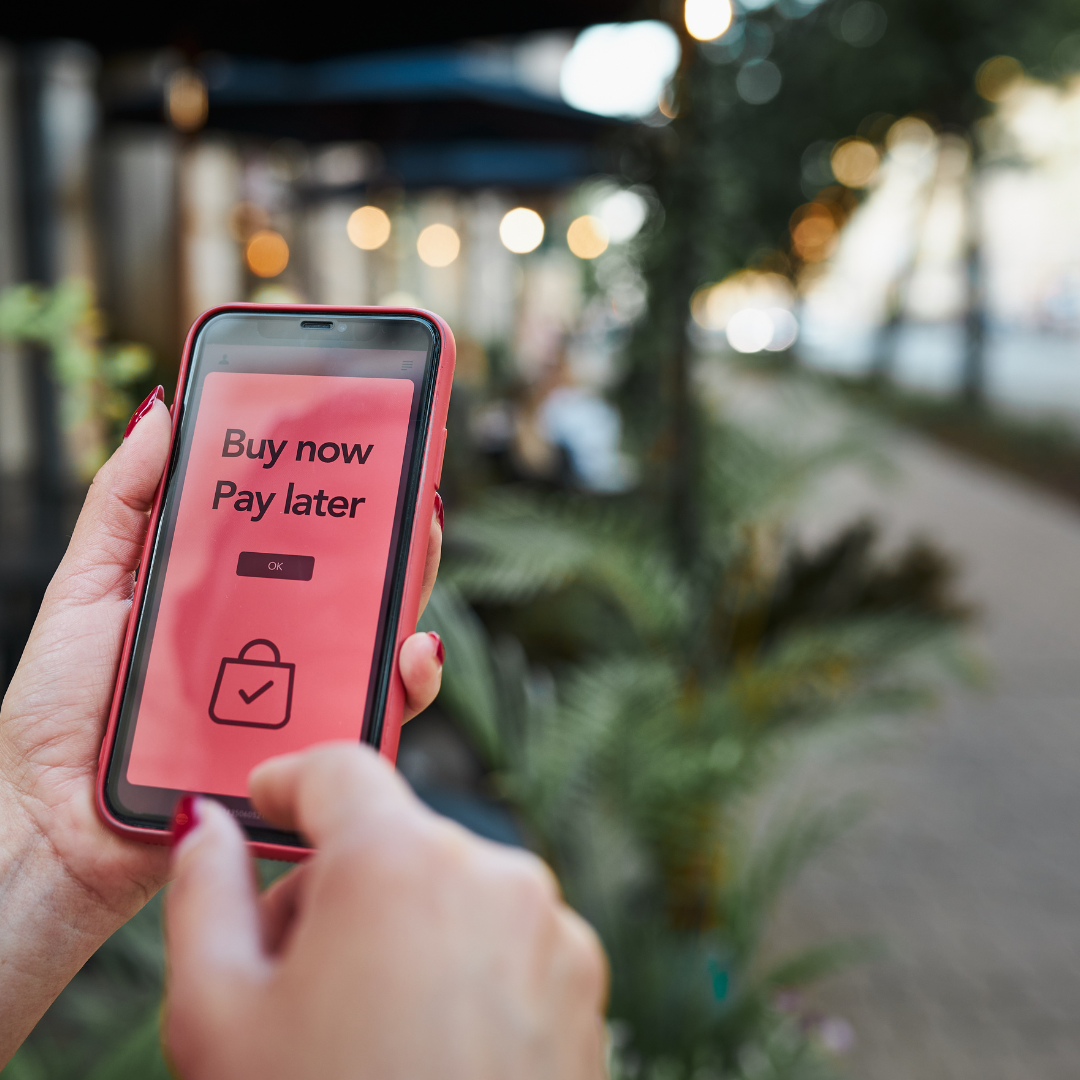
The Buy Now Pay Later (BNPL) market continues its rapid expansion, solidifying its position as a preferred payment method for many consumers. In the latest JD Power Buy Now Pay Later Satisfaction Study, findings reveal not only an increase in BNPL usage but also critical insights into why consumers are turning to these payment solutions. This month, JD Power’s Miles Tullo sat down with Sean Gelles, Senior Director, Payments Intelligence, to discuss the study’s key takeaways.
BNPL is Surging
One of the most striking findings from the study is the significant year-over-year growth in the percentage of consumers using BNPL usage. BNPL was the payment method that grew the most in terms of the percentage of consumers saying they used it. Usage was particularly strong during the holiday shopping season, with Gen Z shoppers leading the charge. “It was really surprising to see just how much BNPL surged—especially among younger consumers,” said Gelles.
Why Consumers Choose BNPL
While the primary appeal of BNPL remains its ability to defer payments, the study highlights another crucial factor: repayment terms. Consumers report that they appreciate the structured and predictable nature of BNPL repayment plans.
“When we look at credit cards, deferred payment is an option there as well,” Gelles explained. “But interestingly, ‘repayment terms are reasonable’ doesn’t even rank in the top 10 reasons why people use credit cards. That tells us BNPL is filling an important gap in the market.”
Defining the BNPL Market
The Buy Now Pay Later Satisfaction Study examined both fintech-based BNPL providers—such as Klarna, Afterpay, and Affirm—and card-based installment plans from major credit card issuers. While fintech players have popularized BNPL at checkout, traditional financial institutions have entered the space by offering fixed payment plans that allow consumers to convert credit card purchases into structured installment payments.
The Fintech Challenge: Building Long-Term Trust
One of the key differentiators in satisfaction levels appears to be the longevity of the customer relationship. Traditional financial institutions have a built-in trust advantage, as their customers are often long-term credit card users.
“The biggest advantage for card-based BNPL plans is their longstanding brand relationship with customers,” Gelles noted. “Many users of these plans have been with their banks or card issuers for years, which fosters greater trust and satisfaction.”
In contrast, many fintech BNPL users are either first-time or relatively new customers, making it harder for these brands to achieve high satisfaction scores. However, the study shows that customer satisfaction increases the longer consumers use a BNPL provider, indicating that fintech firms are making progress in building loyalty.
What’s Next for BNPL?
As BNPL continues to grow, both fintech and traditional financial institutions will need to refine their strategies to capture and retain consumers. The study’s findings suggest that trust and repayment flexibility will remain key differentiators in driving long-term satisfaction.
With continued advancements in digital payments and shifting consumer preferences, the BNPL landscape is poised for even greater transformation in the years ahead.
You can read the latest BNPL press release to learn more key findings and see how each brand ranks for overall customer satisfaction.